
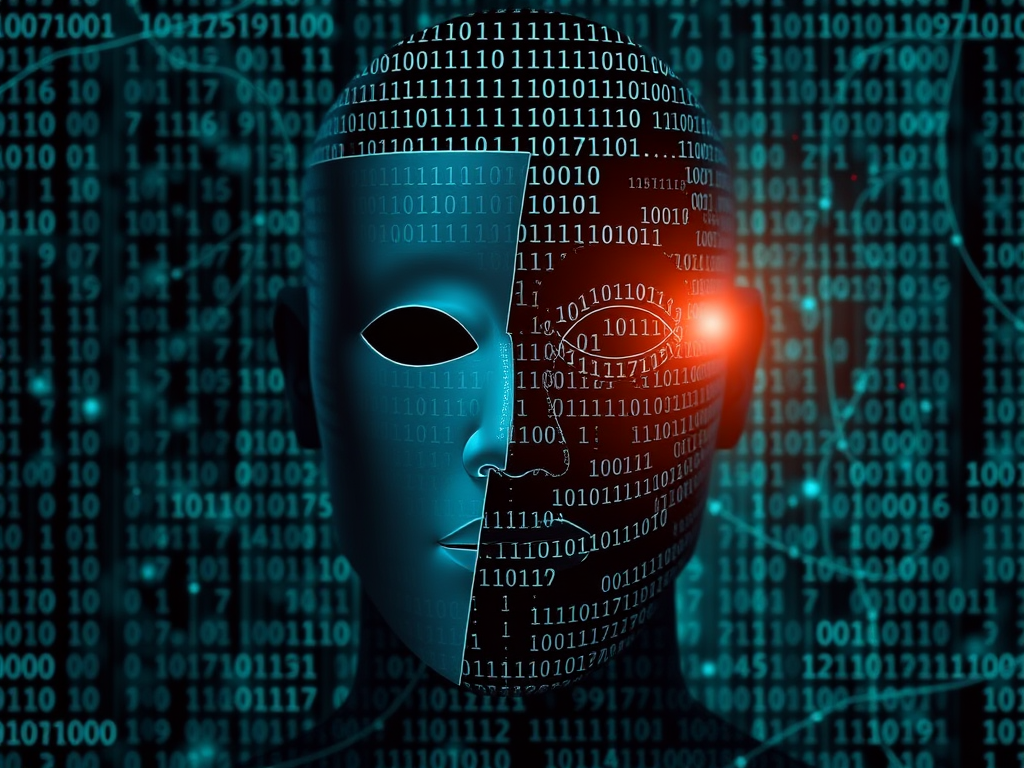
AI has the potential to seriously impact digital ID verification checks, but it’s important to distinguish between different aspects of digital ID verification and the capabilities of AI. Here are some key considerations:
Facial Recognition: AI-driven facial recognition technology has advanced significantly and can accurately match a face to a registered digital ID or image. However, it is not fool-proof and can be tricked in some cases. For instance, determined attackers have used high-quality 3D printed masks or images to spoof facial recognition systems.
Behavioral Biometrics: AI can analyse a user’s behavioural biometrics, such as typing patterns or mouse movements, to verify their identity. While these systems are robust, a sophisticated attacker who closely mimics the legitimate user’s behaviour could potentially bypass them.
Document Verification: AI-based document verification systems are highly effective at identifying forged or altered documents. However, if an attacker uses sophisticated methods to create convincing fake documents, these systems may struggle.
Voice Recognition: AI can be used for voice recognition, which is generally reliable. But like facial recognition, attackers can use synthesized or manipulated audio to potentially fool these systems.
Machine Learning Attacks: Attackers can also leverage AI and machine learning to learn and adapt to security measures over time. This makes it a constant cat-and-mouse game between those developing AI for verification and those trying to fool it.
It’s important to note that AI’s effectiveness in digital ID verification largely depends on the specific technology and the resources available to both the defenders and attackers. In practice, many digital ID verification systems use multiple layers of security, combining biometrics, document checks, behavioural analysis, and more to minimize the risk of impersonation.
To bolster security and reduce the risk of AI-based attacks, organizations often employ additional factors like multi-factor authentication (MFA) that include something the user knows (e.g., a password), something the user has (e.g., a physical token or mobile device), and something the user is (biometrics).
While AI has the potential to seriously impact digital ID verification, the ongoing advancement of security measures and AI detection systems makes it challenging for malicious actors to consistently and easily fool these checks. However, the threat is ever-evolving, and continuous improvements in AI-driven security are essential to staying one step ahead of potential threats.




Leave a Reply