
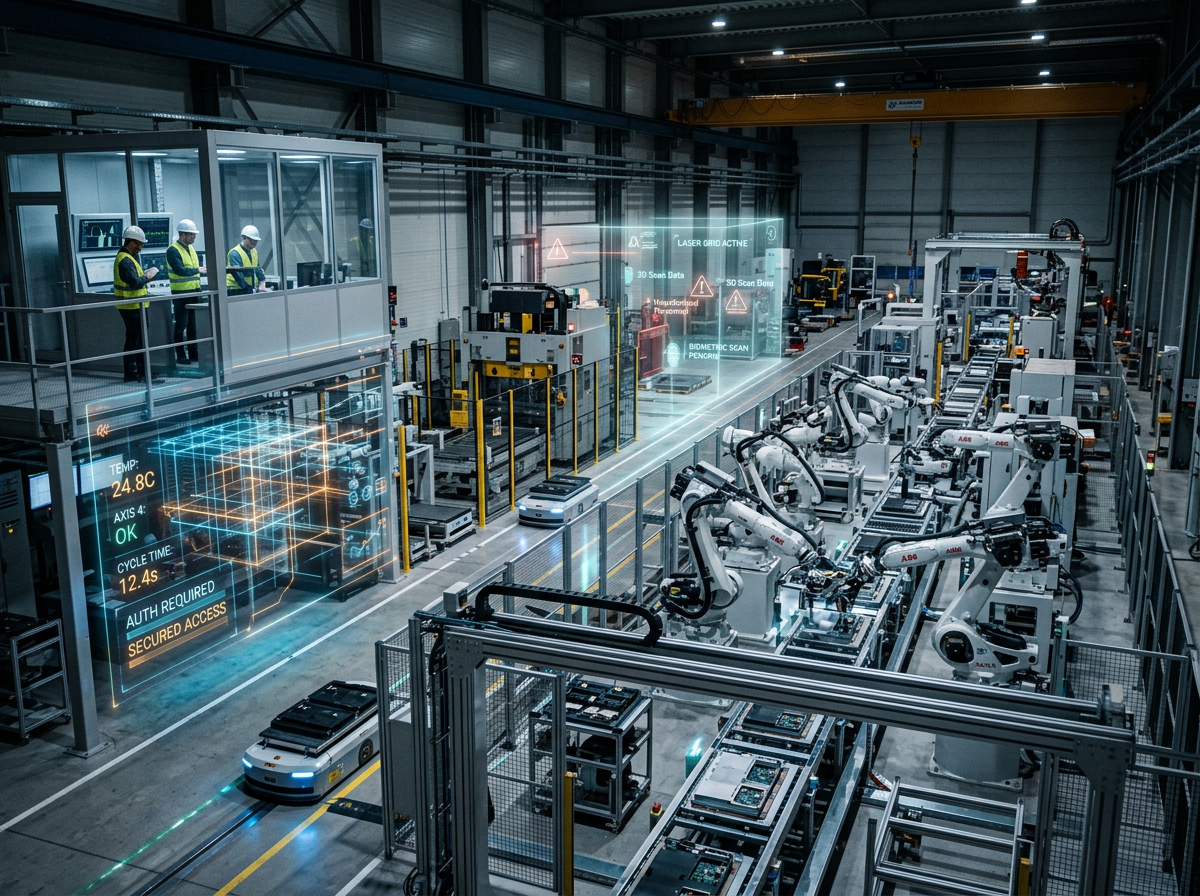
Artificial intelligence, quantum computing and digital transformation continue to dominate technology headlines, yet a quieter conversation is gathering momentum across Europe’s industrial sector. As organisations begin deploying increasingly autonomous and connected technologies into manufacturing, critical infrastructure and public services, the focus is shifting towards the foundations that determine whether these innovations can be trusted, governed and maintained throughout their operational lives.
For much of the past decade, technological progress was measured by capability. Faster processors, larger AI models, more sophisticated automation and increasingly connected systems became the benchmarks by which innovation was judged. Those advances remain significant, but they no longer tell the whole story. As digital technologies move from research programmes and pilot projects into environments where resilience, safety and accountability are non-negotiable, the conversation is becoming considerably broader.
Organisations are no longer evaluating technology solely on what it can achieve. They are also asking whether it can be relied upon over many years of operation, whether it can be updated securely without disrupting business, whether every user and device can be authenticated, whether software integrity can be guaranteed and whether every decision can ultimately be traced back to an accountable source. These questions are steadily becoming just as important as raw technical performance.
The Invisible Infrastructure Behind Innovation
Many of the technologies shaping today’s digital economy rely upon an infrastructure that is rarely visible outside the engineering teams responsible for building it. Artificial intelligence depends upon trusted data, secure execution environments and verifiable models. Connected industrial systems require authenticated software updates and protected communications. Digital identities rely upon cryptographic trust, while software itself increasingly depends upon licensing, entitlement management and continuous lifecycle protection long after deployment.
None of these capabilities attract the attention generated by a new AI model or a quantum processor announcement. They are, however, the mechanisms that allow innovation to move beyond the laboratory and into environments where downtime, compromise or uncertainty carry significant operational and financial consequences.
As software becomes embedded within almost every product and service, organisations are discovering that trust is not a feature that can be added afterwards. It must be designed into systems from the beginning and maintained throughout their entire lifecycle. The ability to demonstrate integrity, provenance, resilience and accountability is becoming a strategic requirement rather than a technical enhancement.
Europe Is Building the Foundations
This broader perspective is becoming increasingly evident across Europe. The Cyber Resilience Act, DORA, NIS2 and the emerging Digital Product Passport framework all point towards a future in which software security, governance and lifecycle management become integral parts of product development rather than compliance exercises undertaken at the end of a project.
Collectively, these initiatives reflect a wider industrial strategy that places long-term resilience alongside innovation. They recognise that digital transformation depends upon confidence as much as capability and that organisations responsible for critical infrastructure require evidence that systems can remain secure, maintainable and auditable throughout their operational lives.
That emphasis also aligns with Europe’s traditional strengths. Engineering excellence, industrial manufacturing, trusted identity, cybersecurity and regulatory frameworks have long formed part of the continent’s technology landscape. As artificial intelligence and automation mature, those capabilities are becoming increasingly valuable because they provide the environment within which advanced technologies can be deployed with confidence.
Why INNO Days Matters
This is one of the reasons why gatherings such as INNO Days have become increasingly relevant. Rather than concentrating exclusively on the next technological breakthrough, the discussions increasingly explore the practical foundations that enable innovation to succeed in real-world industrial environments. Software protection, secure licensing, digital sovereignty, intellectual property, resilient supply chains and trusted execution are no longer specialist subjects. They are becoming central to the way organisations think about digital transformation itself.
The discussions taking place this week at INNO Days reinforce a pattern that has become increasingly apparent across Europe’s major technology events during 2026. Identity Week explored the future of trusted digital identity. GITEX Europe demonstrated that artificial intelligence depends upon cybersecurity, governance and trusted infrastructure. INNO Days continues that conversation by focusing on the software protection, secure execution and lifecycle management that allow innovation to operate safely in industrial environments.
Viewed individually, these events appear to serve different communities. Taken together, they reveal a much broader shift. Artificial intelligence, digital identity, cybersecurity, software protection, compliance and quantum technologies are steadily converging into a common trust architecture that will underpin the next generation of digital infrastructure.
That convergence may ultimately prove to be one of Europe’s greatest strengths. While much of the global technology narrative continues to celebrate computational power and increasingly capable AI models, Europe’s industrial ecosystem is quietly building the governance, resilience and trusted foundations that allow those technologies to be deployed with confidence at scale.
Perhaps that is the more significant story emerging from this year’s technology calendar. Innovation remains essential, but its long-term value will increasingly be determined by the trust that surrounds it. The organisations that succeed will be those capable of demonstrating not only what their technologies can achieve, but why customers, partners and society should have confidence in adopting them.
Continuing the Conversation at INNO Days
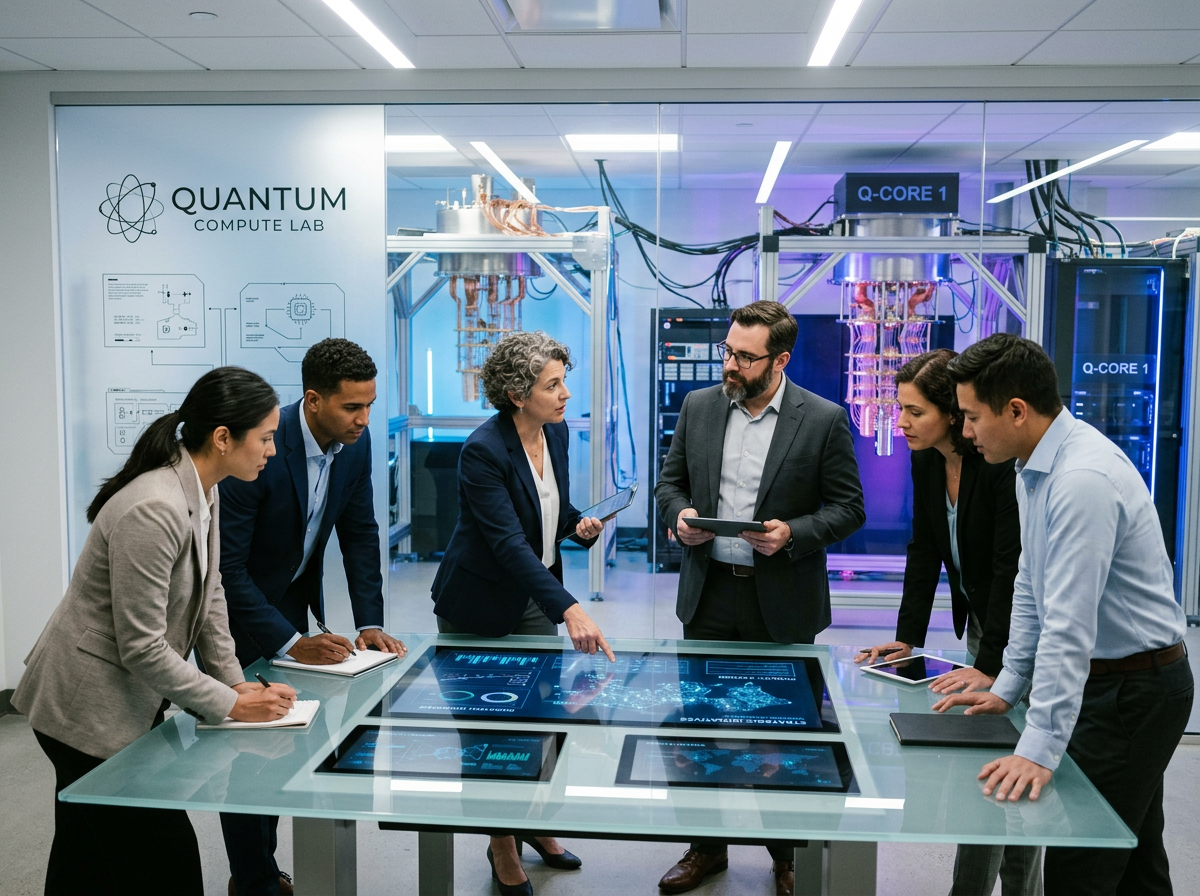
The themes explored in this article will continue at INNO Days 2026, where The Quantum Space will interview industry leaders and moderate a roundtable examining software integrity, operational resilience and digital trust across modern manufacturing.



Leave a Reply